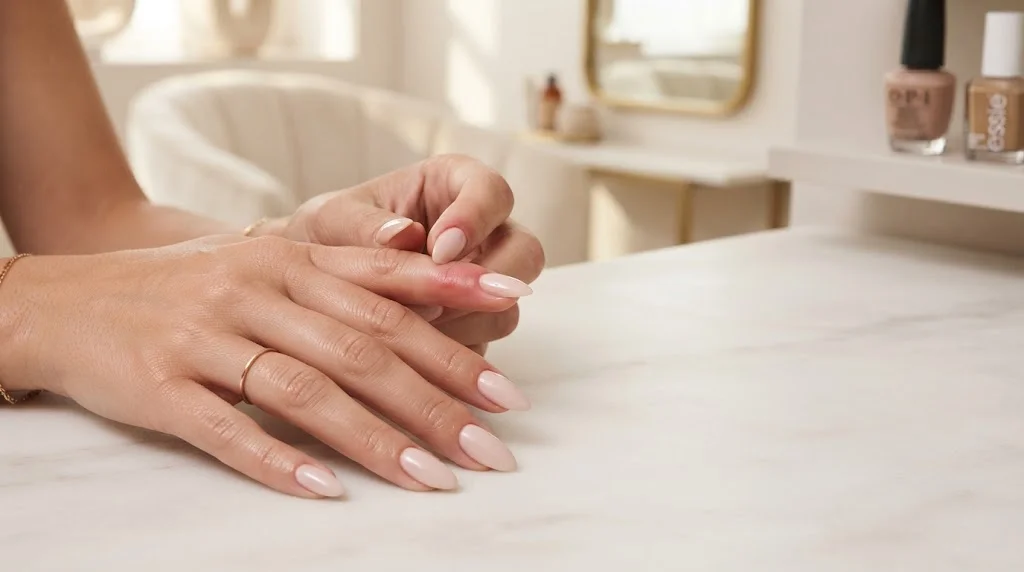
Why Do My Acrylic Nails Hurt? 7 Causes, Fast Relief & How to Prevent It
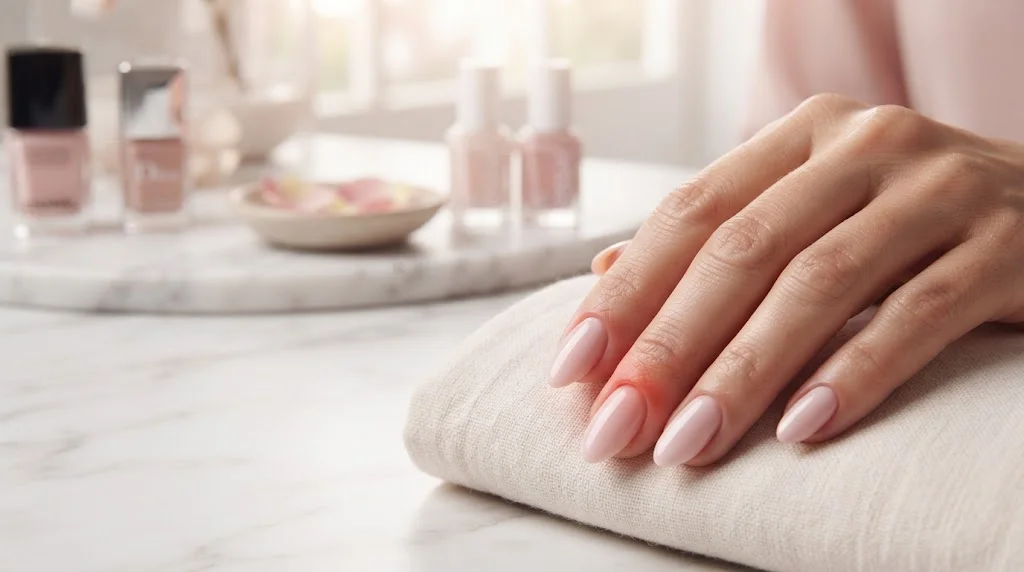
Quick answer: Acrylic nails usually hurt because of over-filing, a set that is too tight or too thick, poor nail prep, lifting, previously damaged nails, or a sensitivity to the products used. Mild soreness for the first 24–48 hours is common. Throbbing, burning, or pain that gets worse each day is not, and it means something needs to be fixed.
You leave the salon in love with your fresh set. The shape is perfect, the shine is flawless. Then, a few hours later, your fingertips ache, your nails feel tender, or there is pressure under the acrylic.
If you are asking, “why do my acrylic nails hurt?”, you are far from alone. Why Do My Acrylic Nails Hurt should enhance your natural nails, not leave you wincing every time you open a can or type a message. The good news: most causes of acrylic nail pain are easy to identify and prevent.
In this guide you will learn what causes pain under and around your acrylics, how to get relief right now, when to see a doctor, and how to protect your natural nails between sets.
Key Takeaways
- Common causes: over-filing, tight tips, thick product, rough prep, lifting, and damage from earlier sets.
- What is normal: light tightness or tenderness that fades within a day or two.
- What is not normal: throbbing, burning, worsening pain, swelling, or pus.
- Never peel or pry acrylics off. Get professional removal if the pain persists.
- Best prevention: a skilled nail tech, gentle prep, moderate length, and regular breaks between sets.
Table of Content
- Why Do My Acrylic Nails Hurt? 7 Causes, Fast Relief & How to Prevent It
- Key Takeaways
- What Causes Acrylic Nail Pain?
- 7 Reasons Your Acrylic Nails Hurt
- Why Do My Nails Hurt Right After Getting Acrylics?
- How to Relieve Acrylic Nail Pain
- When to See a Doctor
- Common Mistakes That Make Acrylic Nail Pain Worse
- Acrylic Nail Pain: Myths vs. Facts
- How to Prevent Pain With Your Next Set
- Final Thoughts
- Why do my acrylic nails hurt on the first day?
- Why do my acrylic nails hurt when I press on them?
- Do acrylic nails damage your natural nails?
- How long does nail soreness last after removing acrylics?
- Should I remove my acrylic nails if they hurt?
- Can I be allergic to acrylic nails?
- Can acrylic nails cause throbbing or pulsing pain?
- Why do my acrylic nails hurt after getting them filled?
- How can I prevent acrylic nails from hurting in the future?
- Why do my acrylic nails hurt after being hit?
What Causes Acrylic Nail Pain?
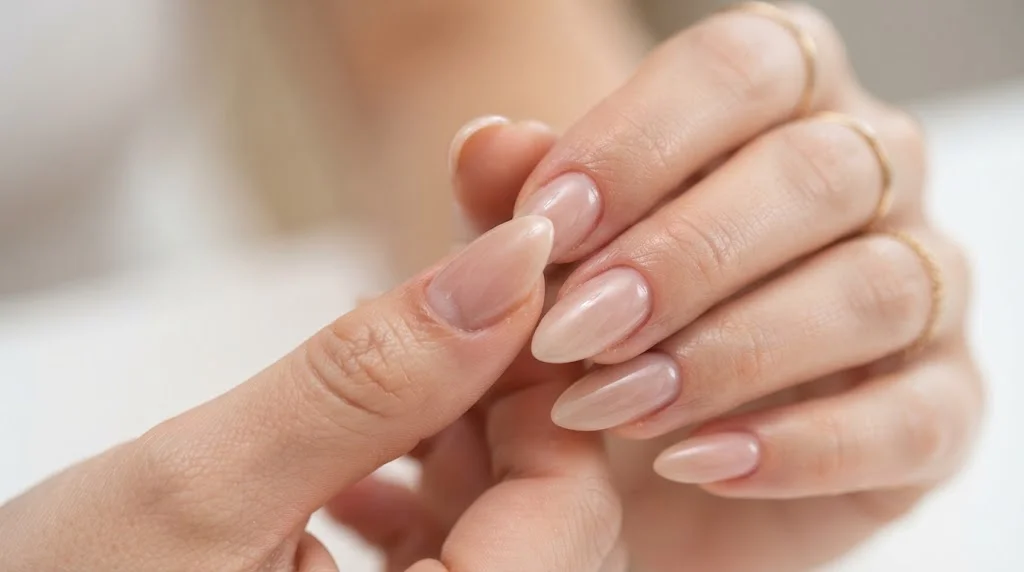
Why Do My Acrylic Nails Hurt are made by combining a liquid monomer with a powder polymer and sculpting the mixture over your natural nail plate. Done correctly, the result feels secure and comfortable. The pain comes from stress on the natural nail during prep, application, wear, or removal.
7 Reasons Your Acrylic Nails Hurt
1. Over-Filing the Natural Nail
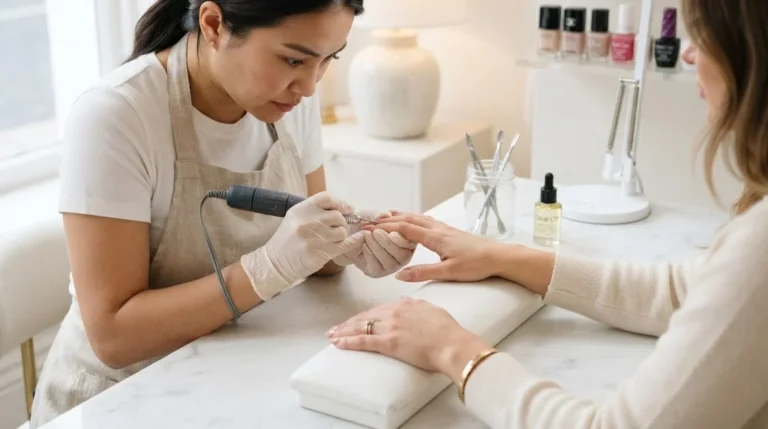
Over-filing is one of the biggest causes of acrylic nail pain. A tech lightly buffs the nail surface so the product can grip. Go too far and the nail plate becomes thin and sensitive.
A thinned nail plate can cause:
- Tenderness when touched
- Sensitivity to pressure
- Pain when you press down on the nails
- A burning or sore feeling
Good prep is a light surface buff, never aggressive removal of layers from the living nail.
Source:https://www.aad.org/public/everyday-care/nail-care-secrets/basics/nail-care?
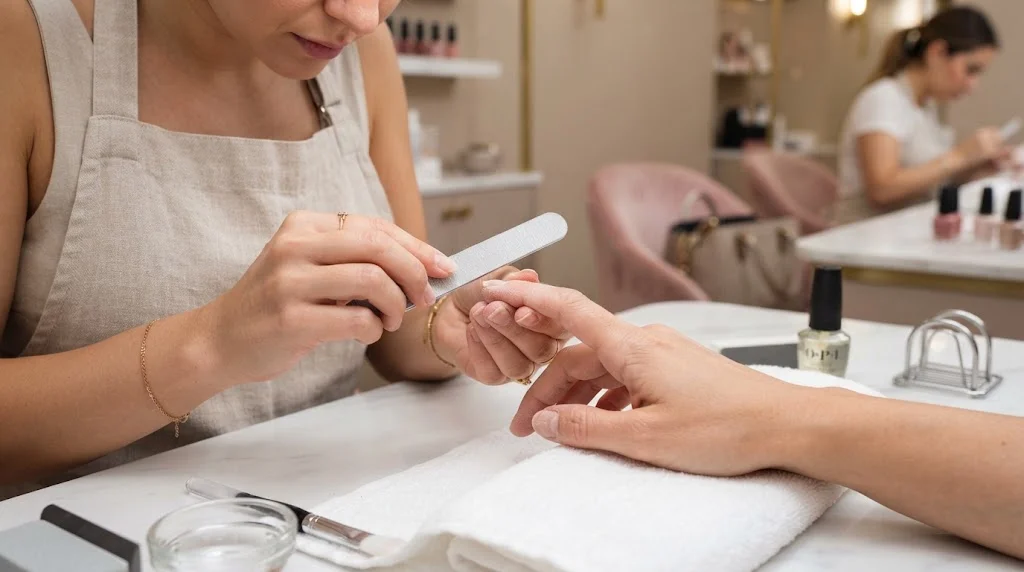
Gentle prep protects the natural nail. Heavy filing thins it.
2. The Acrylics Are Too Tight
If your Why Do My Acrylic Nails Hurt nails feel like they are squeezing your fingertips, the set may be too tight. This happens when:
- The nail tip is too small for your nail bed
- The shape of the tip does not match your natural nail curve
- The sides are sculpted too snugly
Tight acrylics cause nail bed pressure, throbbing, pain on touch, and a pulling sensation. A well-fitted set feels secure but never painful.
3. The Acrylic Is Too Thick
Thick, dramatic nails look bold, but extra product adds weight and stress, especially on thin or flexible natural nails. Acrylics may be too thick if you notice:
- Constant pressure on your fingertips
- Discomfort when using your hands
- A pressing ache on the nail surface
- Pain that gets worse after a few days
A good set is strong without being heavy.
4. Improper Nail Prep
Comfort starts with prep. Techs often use a nail dehydrator and primer to help acrylic stick. Problems arise when:
- The natural nail is roughed up too much
- Products touch sensitive skin
- The nail surface is left too coarse
- Cuticles are cut or pushed back aggressively
5. Your Natural Nails Were Already Damaged
Sometimes the problem started before you sat in the chair. Nails weakened by earlier sets may hurt even under a perfect application. Common causes of prior damage include:
- Back-to-back acrylic applications with no break
- Incorrect removal
- Picking or peeling off acrylics
- Excessive buffing
- Harsh removal methods
6. Lifting and Trapped Moisture
When acrylic lifts away from the natural nail, small gaps form. Moisture and debris can collect in them and cause irritation, and sometimes infection. Signs include a loose feeling, tender spots, a visible line between the acrylic and your nail, and pain under the acrylic.
7. Allergic or Sensitivity Reactions
Some people react to ingredients in acrylic liquid, primer, or adhesives. Itching, redness, swelling, or a rash around the nails can point to an allergy. If this happens, stop the service and speak with a doctor before your next appointment.
Why Do My Nails Hurt Right After Getting Acrylics?
Pain that starts as soon as you leave the salon usually traces back to the application itself:
- Tip pressure: tips that press on the nail bed create tension.
- Filing sensitivity: some soreness is normal if a lot of natural nail was removed.
- Curing tightness: some people feel tightness or pressure as the acrylic sets.
- First-timer adjustment: your nails may need a day or two to adapt to the added structure.
Why Do My Acrylic Nails Hurt a Few Days Later?
Pain that appears after several days usually has a different cause:
Lifting: gaps trap moisture and cause irritation.
Growth pressure: as your nail grows out, the leverage on the nail bed changes.
Daily wear and tear: long nails act as levers when you open containers, type, clean, or accidentally bump them, transferring force to your natural nail.
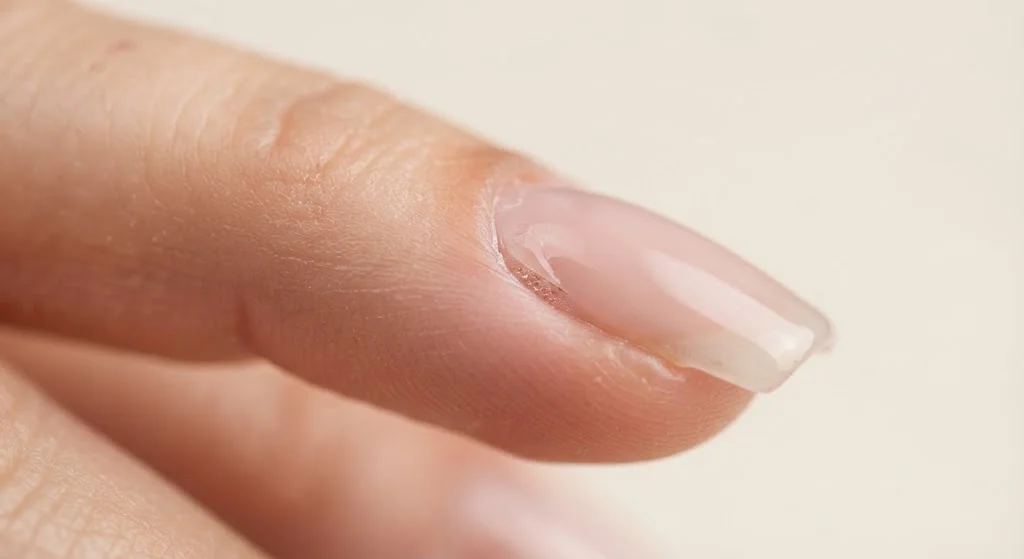
Lifting creates gaps where moisture can collect.
How to Relieve Acrylic Nail Pain
If your acrylic nails hurt right now, try these steps:
- Rest the sore nails. Avoid pressing, tapping, or using them as tools until tenderness eases.
- Keep them clean and dry. If there is any lifting, dry gaps are less likely to become irritated.
- Do not pick or pull. Ripping acrylics off can tear layers from the nail plate and make the pain much worse.
- Get professional removal if pain persists. It is safer than waiting it out or attempting aggressive at-home removal.
- Give your nails a break. After removal, rest your natural nails before applying another enhancement.
When to See a Doctor
Get medical advice promptly if you notice:
- Swelling, warmth, or spreading redness around the nail
- Pus or discharge
- Green, dark, or unusual discoloration under the nail
- Severe or worsening throbbing pain
- A rash, blistering, or intense itching around the nails
- Pain that continues for a couple of weeks after the acrylics are removed
Common Mistakes That Make Acrylic Nail Pain Worse
| Mistake | Why it causes problems |
| Peeling acrylics off | Removes layers of the natural nail |
| Very long extensions | Increases leverage, stress, and strain |
| Ignoring the pain | Lets irritation or infection continue |
| Poor removal technique | Weakens and thins the nail plate |
| Over-filing during fills | Builds up sensitivity over time |
| Never taking a break between sets | Gives damaged nails no time to recover |
Acrylic Nail Pain: Myths vs. Facts
| Myth | Fact |
| Acrylics are supposed to hurt at first. | Light tightness is common. Strong, lasting pain is not normal. |
| More filing means better adhesion. | Over-filing thins and damages the natural nail. |
| Pain means the acrylics are working. | Pain is a signal that something needs attention. |
| Removing acrylics yourself is harmless. | Incorrect removal is a leading cause of nail damage. |
How to Prevent Pain With Your Next Set
- Choose an experienced nail technician. A skilled tech understands nail anatomy, gentle prep, and safe application.
- Speak up during the appointment. Tell your tech right away if filing hurts, the acrylic feels tight, or the length feels uncomfortable.
- Go short or medium. Shorter lengths put far less strain on natural nails.
- Ask for a thinner, well-balanced application. Strength does not require bulk.
- Take breaks between sets. Regular rest helps your natural nails stay healthy.
- Remove acrylics safely. Never force them off. Have them soaked off professionally.
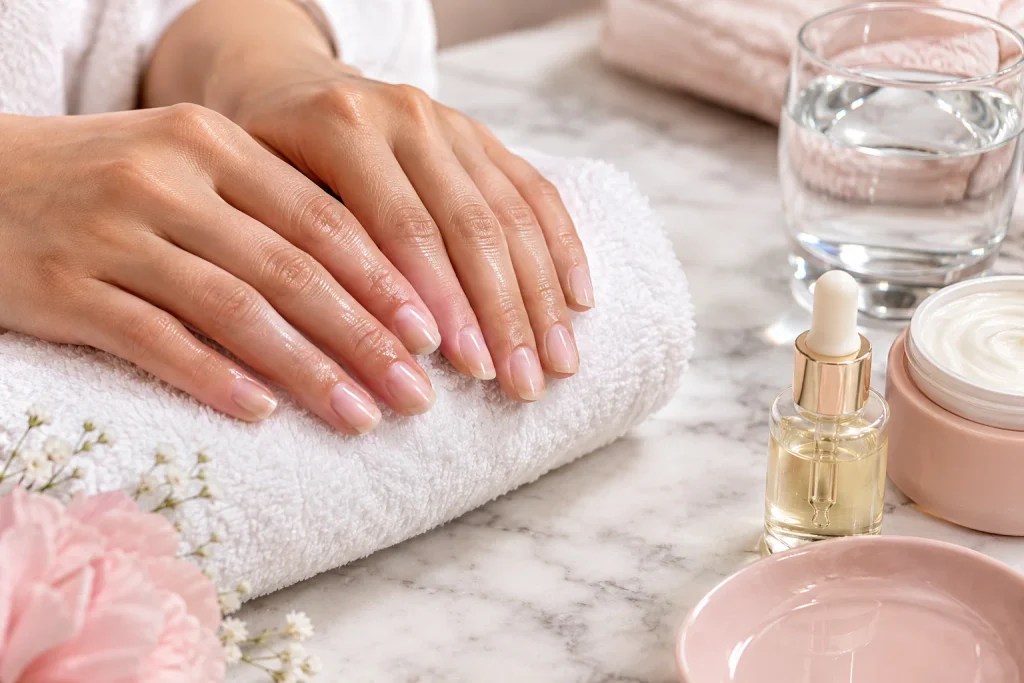
Rest and moisture help natural nails recover between sets.
Final Thoughts
Acrylics should make you feel confident, not uncomfortable. When they hurt, the cause is almost always pressure, application technique, nail prep, or damage underneath the enhancement. The best way to avoid acrylic nail pain is to choose a skilled technician, avoid over-filing, speak up during your appointment, and let your natural nails rest between sets.
Your nails should always be healthy and beautiful. If something hurts, do not push through it.
Have you dealt with acrylic nail pain? Tell us in the comments what caused it and what finally worked for you.
Why do my acrylic nails hurt on the first day?
Day-one soreness usually comes from pressure during application, light over-filing, or tips that fit tightly while the acrylic cures. Mild tenderness that fades within 24 to 48 hours is common. If the pain is getting worse each day, have your nails checked.
Why do my acrylic nails hurt when I press on them?
Pain on pressure usually means the natural nail underneath is thin, over-filed, or inflamed, or that the acrylic is too thick or too long and is putting leverage on the nail bed.
Do acrylic nails damage your natural nails?
They can, especially with over-filing, improper removal, repeated applications with no break, or nails that were already weak. Careful application and removal greatly lower the risk.
How long does nail soreness last after removing acrylics?
Mild sensitivity often settles within a few days to a couple of weeks. If soreness lingers, or comes with redness, swelling, or discharge, see a doctor.
Should I remove my acrylic nails if they hurt?
If the pain is severe, constant, or worsening, yes. Have a professional remove them. Removing them yourself can injure the natural nail and worsen the pain.
Can I be allergic to acrylic nails?
Yes. Some people react to ingredients in acrylic liquid, primer, or adhesives. Itching, redness, swelling, or a rash around the nails can signal an allergic reaction.
Can acrylic nails cause throbbing or pulsing pain?
Throbbing pain may indicate irritation or pressure affecting the natural nail. If the pain is strong, persistent, or getting worse instead of improving, it is best to have the acrylic set professionally assessed.
Why do my acrylic nails hurt after getting them filled?
Pain after a fill can happen if the natural nail has been over-filed, the new acrylic creates too much pressure, or lifting is present underneath the product. A nail technician can check the area and determine whether the fill needs to be corrected.
How can I prevent acrylic nails from hurting in the future?
Choose a qualified nail technician, avoid excessive filing, make sure the tips fit comfortably, keep the acrylic at a practical length, and never pick or peel off the product. Giving your natural nails appropriate care between sets can also help reduce irritation.
Why do my acrylic nails hurt after being hit?
An impact can transfer pressure through the acrylic enhancement to the natural nail underneath. Temporary tenderness may occur, but significant, persistent, or worsening pain warrants professional assessment before applying additional product.