
How to Fix Lifting Acrylic Nails at Home
The acrylic nails are hard to remove from the hand.Removing acrylic nails from the hand is difficult.
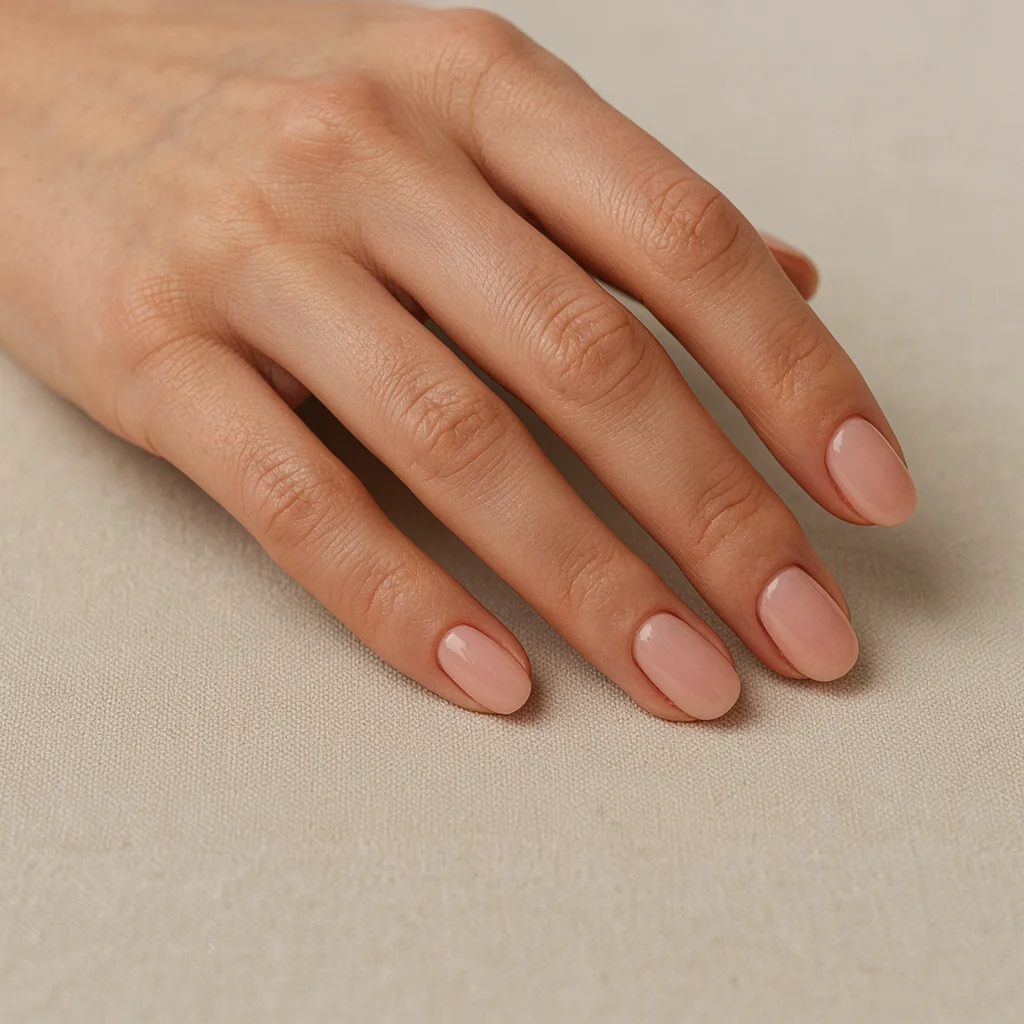
Many people have to learn how to fix lifting acrylic nails at home, when the nails begin to lift at the edges of their manicure. It might appear as though there is not a great deal of raising, but if you don’t get it into the habit of lifting, moisture and dirt can work their way under the acrylic.
It is important to know what caused the lifting, before attempting to correct it. Can occur due to changes in normal nail growth, moisture, improper nail preparation or normal wear and tear. Here’s how to remove acrylic nails safely, and some easy tips for preventing it from happening again.
Lifting Acrylic Nails Solutions
The best way to fix lifting acrylic nails is to remove the lifting acrylic entirely rather than covering or gluing it down. After removing the lifting acrylic, repair or replace the enhancement on the healthy nail.
Lifting acrylic nails can be very annoying.
Your nails can look perfect one day, and then you see gaps at the cuticles or along the sides of the nails the next. You may be tempted just to cover the gaps with acrylic or put glue underneath, but don’t do it.
Once acrylic separates from a nail, the objective shouldn’t be to cover the gap with product. A separated nail should be addressed, as it’s not natural or healthy for acrylic nails.
Grow-out is a phenomenon different from lifting. Lifting is when nails separate from acrylic.
This guide covers everything you need to know about lifting acrylic nails, from the cause to solutions and everything in between.
Do not be tempted to cover How to Fix Lifting Acrylic Nails at Home. If there is lifting, the separated product should be removed and the nail repaired, or an acrylic enhancement should be done again, or it should be done professionally in the case of How to Fix Lifting Acrylic Nails at Home that cause unpleasant symptoms.
Can You Fix a Slightly Raised Acrylic Nail at Home?
If Acrylic Nails Lift, What Should You Not Do?
When is the Right Time to Take Off a Lifting Acrylic Nail?
How to Reduce the Chances of Acrylic Nails Lifting
Acrylic Lifting or Regular Nail Growth Lifting
Mistakes that Lead to Acrylic Lifting
Acrylic Nail Lifting: Do You Need to Fill or Get a New Set?
Common Questions Asked
Summary of Main Points
Final Comments
How to Fix Lifting Acrylic Nails at Home
There are options available for How to Fix Lifting Acrylic Nails at Home.There are methods to lift acrylic nails at home.
Discover the easy directions you can take to safely fix How to Fix Lifting Acrylic Nails at Home and never make common mistakes.
What Happens When Acrylic Nails Lift?
Acrylic lifting occurs when an enhancement no longer adheres to the nail and begins separating.
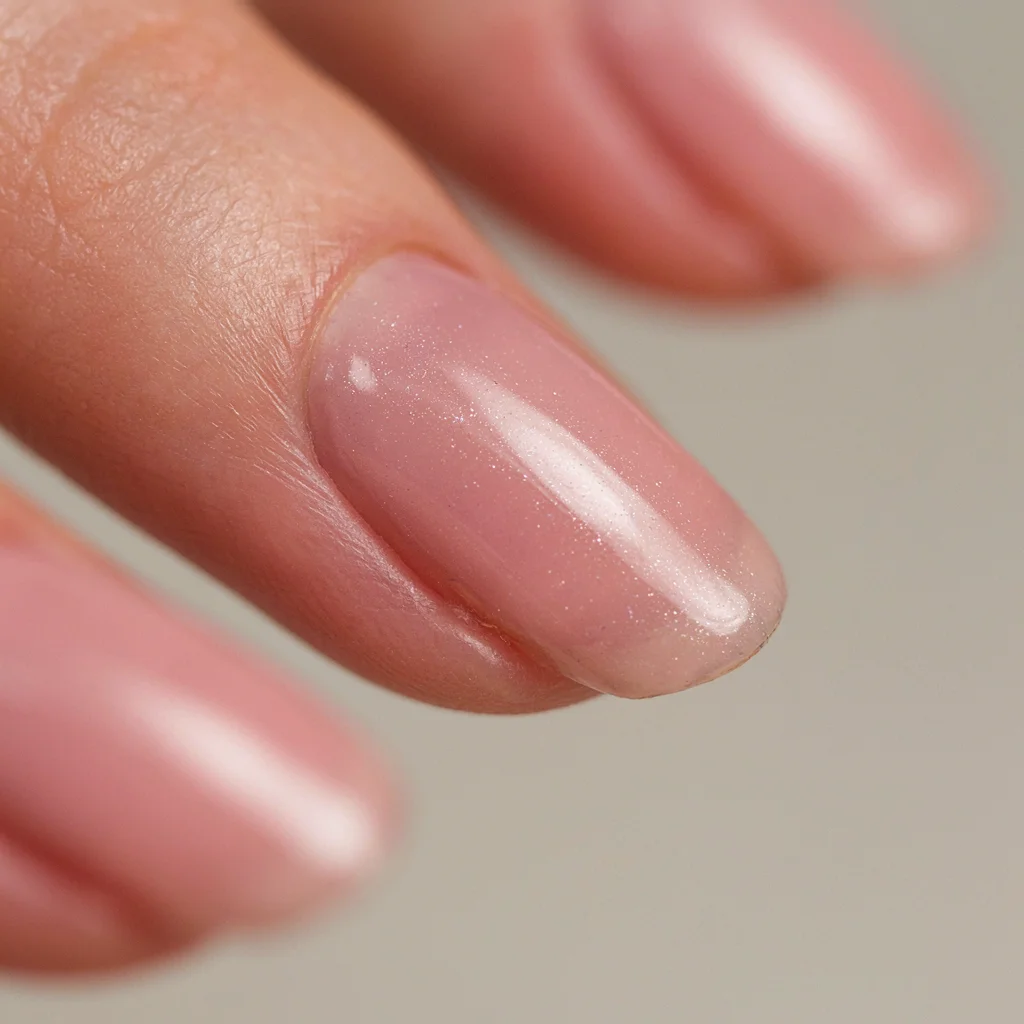
Here are some symptoms of acrylic lifting:
- A little space between the acrylic and your natural nail.
- A cloudy or white appearance under the acrylic
- Separation at the cuticle with lifting along one or both sides
- Looseness of the enhancement
- Acrylic lifting can cause products to snag on clothing or hair.
Lifting can occur in a small area or be large and widespread.
Lifting vs. Nail Growth
These phenomena are not the same.
With normal nail growth:
There is an unfilled space between the acrylic and cuticle.
With lifting:
Acrylic separates from the nail.
Normal nail growth does not require any action, but lifting should not be left untreated.
What Causes Acrylic Nails to Lift?
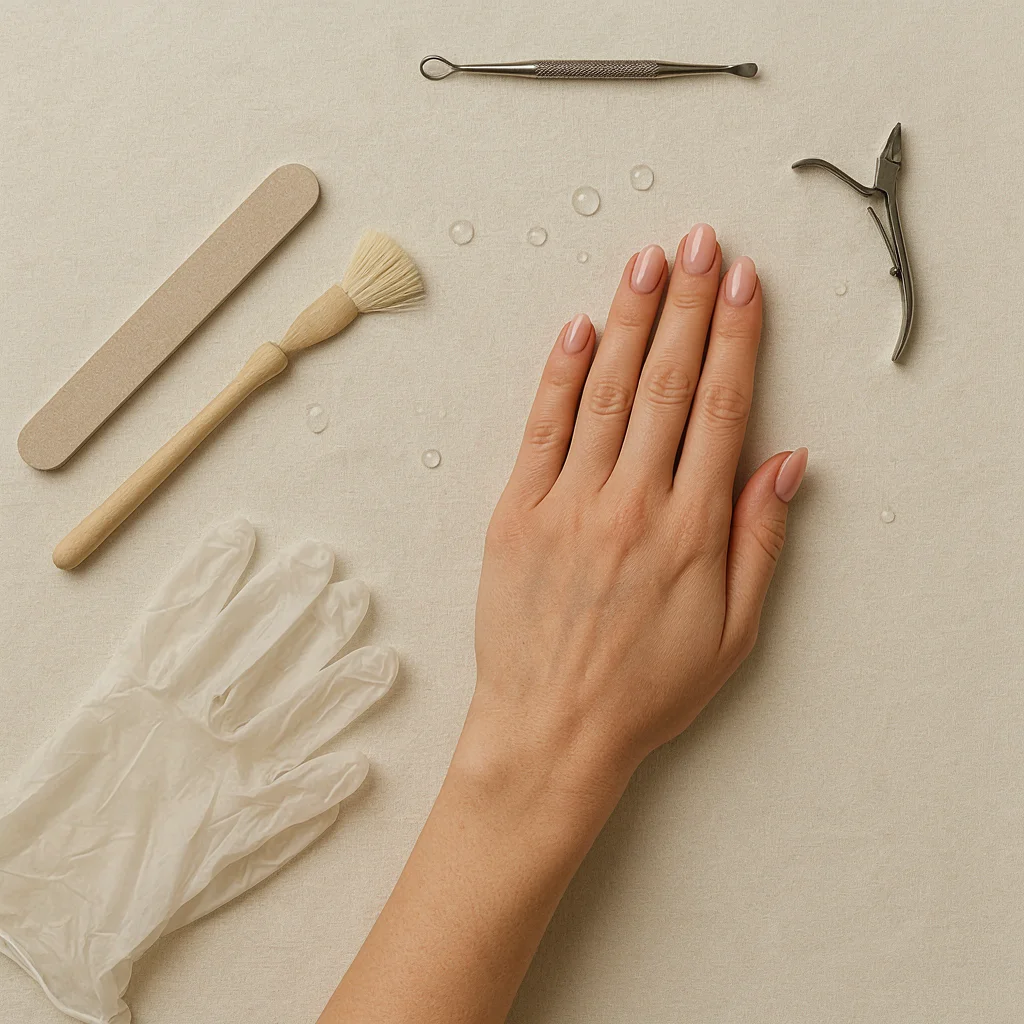
How to Fix Lifting Acrylic Nails at Home can lift due to poor application, insufficient nail preparation, certain conditions of the natural nail, physical trauma to the nails, exposure to moisture, or normal nail growth.
The most common causes are:
Poor Preparation of the Nail Surface
A properly prepared nail surface ensures that acrylic is applied to a sound base.
If a nail is not well prepped, there is a chance the enhancement will not stick. The following preps may not have been done:
- nail oils may not have been removed
- nails may not have been dusted
- nails may not have been dried
- there may be cuticle on the nail
- the surface of the nail may not have been prepped properly
2. Acrylic Should Not Touch Skin
acrylic should not be placed where the nail touches the skin or cuticle.
The product that touches the skin will cause How to Fix Lifting Acrylic Nails at Home lifting when the skin moves and the nail grows.
Placement of the product is very important.
3. Lifting
The acrylic nails will continue to grow along with the natural nails.
The nails will be further away from the cuticle if the nails are not maintained.
The nails should be filled regularly to prevent this from becoming a large issue.
4. Moisture
-Having the nails exposed to too much water will cause problems with the nails, along with lifting and a poor application.
– This will be a problem if the nails are frequently soaked or if the nails are exposed to water for extended periods of time.
– This will also be a problem if the nails are exposed to water while washing dishes, swimming, and cleaning the house.
– This can be prevented by wearing gloves and drying your hands thoroughly.
5. Physical Stress
– Acrylic nails endure physical stress every time they make contact with a surface, nail, or other object.
– This is even worse if the nails are used as tools.
– The nails should never be used to open cans, pry things, scratch surfaces, open packages, or remove stickers.
6. Too Long
– The longer the acrylic nails, the worse the physical stress will be.
– If you have an active lifestyle, the nails should be shorter.
7. Poor Nail Application
– Lifting will be a large issue if the nails are applied with the wrong consistency. The nails should not be too thick or too thin.
This is one reason proper application matters.
8. Natural Nails with Existing Damage
Acrylics won’t fix issues caused by neglect for the health of your natural nails.
If your natural nails are damaged, your acrylic enhancements will behave unpredictably.
Lifting Acrylic Nails Solutions
You should never glue or cover How to Fix Lifting Acrylic Nails at Home. The lifted nails should be removed, and the remaining nails should be evaluated before the acrylics are reapplied.
Step 1: Determine How Much Acrylic is Lifting
Identify How to Fix Lifting Acrylic Nails at Home is occurring in the areas below.
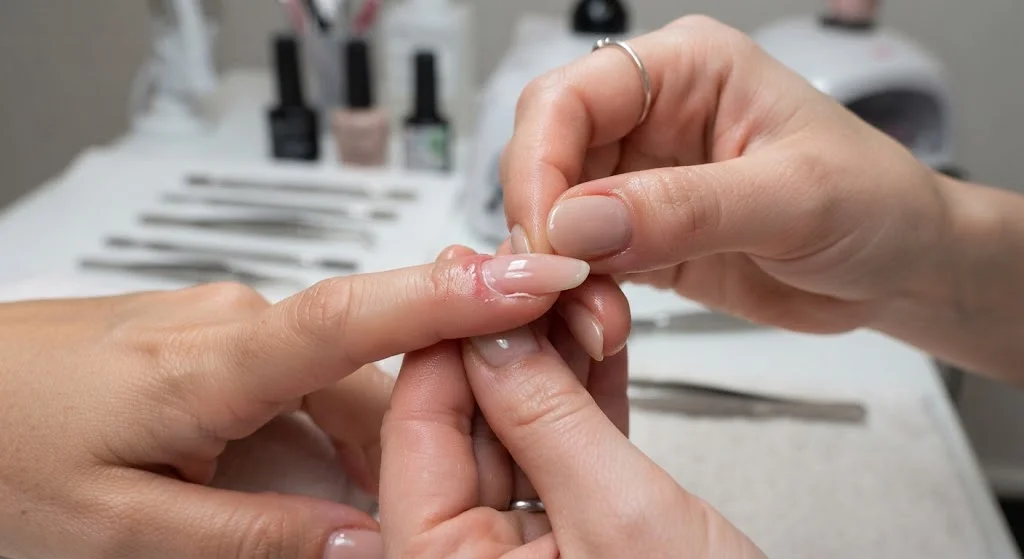
A. Is it lifting in the:
1. Cuticle area?
2. Sidewall area?
3. Free edge area?
4. Area across the entire nail?
Step 2: Do Not Peel Acrylic
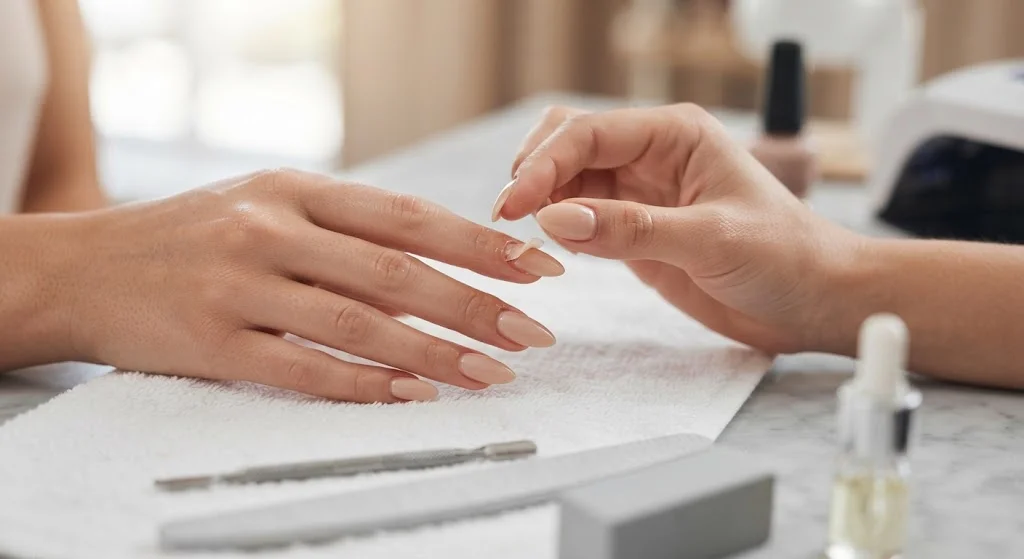
You may think that a product with lifting is already loose enough to pull and peel. You are mistaken. How to Fix Lifting Acrylic Nails at Home should never be pulled or peeled away, as it will damage your natural nail. The product should be removed by filing or by another appropriate method.
Step 3: Remove Product that has Lifted
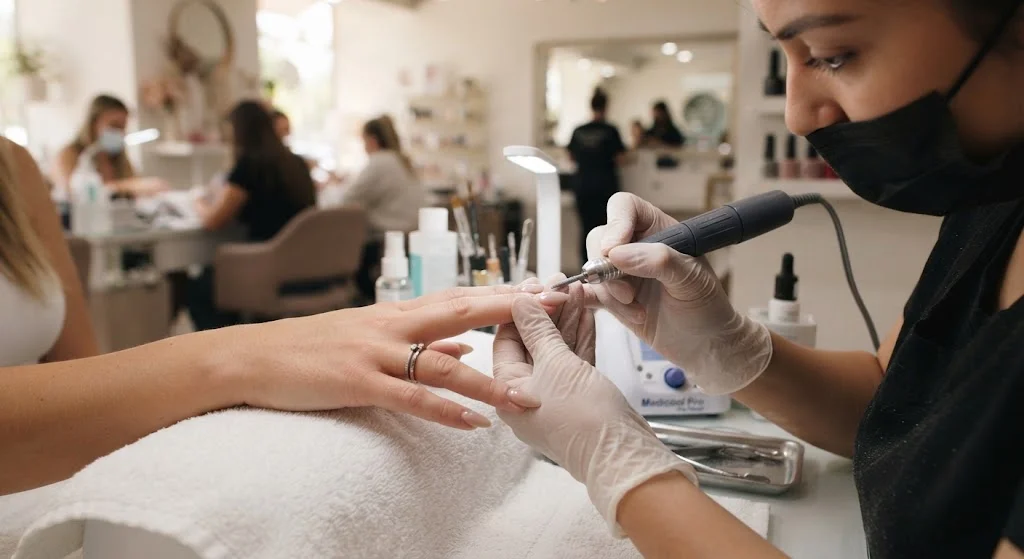
If you are trained to perform acrylic maintenance, the removed product should be only the part that is lifting. It should be done with the proper filing and removal methods. If How to Fix Lifting Acrylic Nails at Home the lifting is extensive, it will be safer to have a professional handle it.
Step 4: Examine the Natural Nail
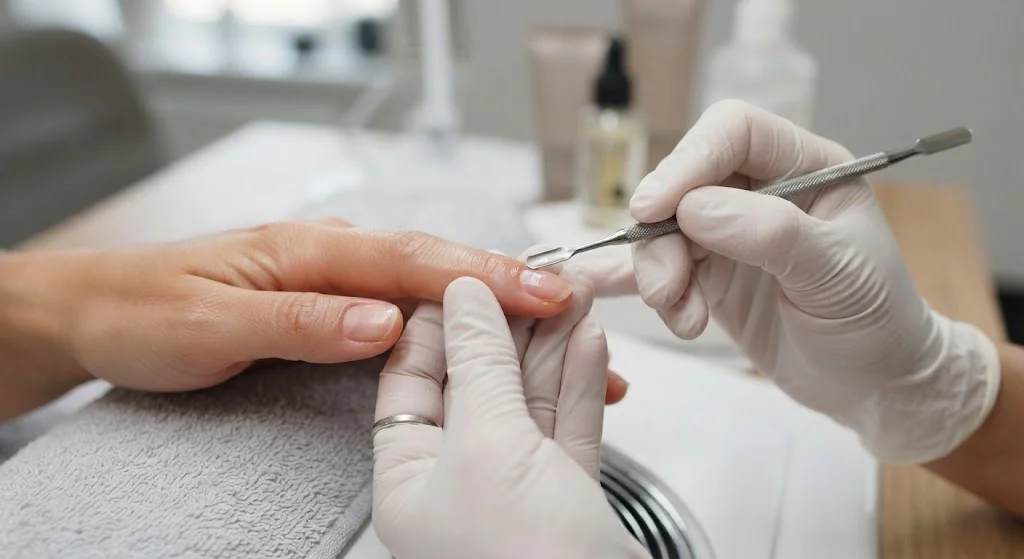
After the product that has lifted has been removed, the natural nail should be examined for:
1. Cracks
2. Thinning of the nail
3. Redness
4. Pain
Swelling
Strange color
Changes in appearance
Do not mask with new acrylic enhancements.
Step 5: Should You Repair or Remove?
If the natural nail is healthy and some enhancements are still intact, a nail technician may be able to repair the nail.
If the enhancement is How to Fix Lifting Acrylic Nails at Home in several places or is significantly compromised, removal and reapplication are likely the best option.
Step 6: Proper Nail Preparation
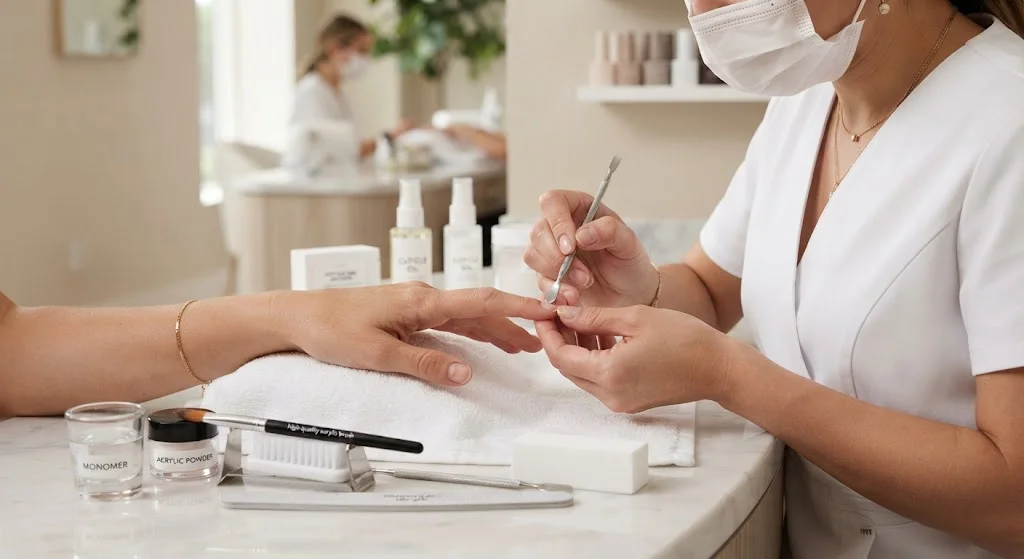
Nails must be properly prepared before acrylics are reapplied.
This includes:
- Removal of all product in place of enhancements
- Nail and cuticle cleaning
- Removal of dust and preparation products
- Gentle manipulation of cuticle and nail skin
- No aggressive filing of the nail.
Step 7: Application of Acrylics
Acrylics should only be applied to prepared areas.
Avoid:
Application too close to or touching the cuticles
Application to skin with a compromised enhancement
Thick applications
Leaving empty spaces
Covering areas with lifted enhancements.
Step 8: Blending and Shaping
Once the product has been applied, enhancements should be blended to existing enhancements and the desired shape restored.
Check your work to ensure the nail is balanced.
Step 9: Finishing and Protecting
Remove dust and apply a finish to the nail.
Apply cuticle oil and protect the nail from stress.
Can You Fix a Slightly Lifted Acrylic Nail at Home?
An acrylic lift is a fixable defect at home if you are experienced. However, it is a beginner’s task that is tricky to master. One wrong move can make it worse and cause damage to the natural nail.
The rule is:
DO NOT GLUE, TAPE, OR COVER UP THE LIFTED AREA.
The best course of action is NOT to attempt removal at all and go to a nail tech.
When It is NOT Okay to DIY an Acrylic Lift
Extensive lifting of the acrylic.
- Cracked Natural Nail.
- Painful Natural Nail.
- Swelling.
- Any discoloration that is not normal and/or consistent.
- Damage to the Natural Nail.
- More than one lifted Acrylic Nail.
Not having the right nail maintenance tools.
What Not to Do When an Acrylic Nail Lifts
Improper repair of a minor lift can cause damage to the natural nail.
DO NOT Peel it Off
This is probably the biggest mistake of all. Proper maintenance, along with a skilled nail tech, will remove the acrylic. Peeling it will take layers of the Natural Nail along with the acrylic.
DO NOT Glue it Back Down.
Elmer’s, or any other household glues, are not a substitute. Not even Nail Glue.
DO NOT Add More Acrylic
This also is not a repair. Adding more acrylic will only hide the problem.
DO NOT File the Natural Nail
Even if you plan to remove all the acrylic, it will, in turn, cause damage to the Natural Nail.
DO NOT ignore acrylic lifting when significant amounts are present.
Loose enhancements can snag on objects and cause problems.
It’s better to take care of it than wait for it to break off.
When Should You Remove a Lifting Acrylic Nail?
Acrylics are better removed than filled when there’s a lot of lifting, damage, or when the enhancement is no longer safe to wear.
Consider having it professionally removed when:
- A large section of the acrylic has been lifted.
- Several nails are lifted.
- The enhancement is compromised.
- The natural nail is injured.
- The nail is long and heavy.
- The nail is painful.
- The same nail keeps lifting.
Signs You Should See a Professional
If you have pain, swelling, or redness that won’t go away, or any other problematic symptoms, do not just reapply acrylic over the nails.
It needs to be checked.
How to Stop Acrylic Nails From Lifting
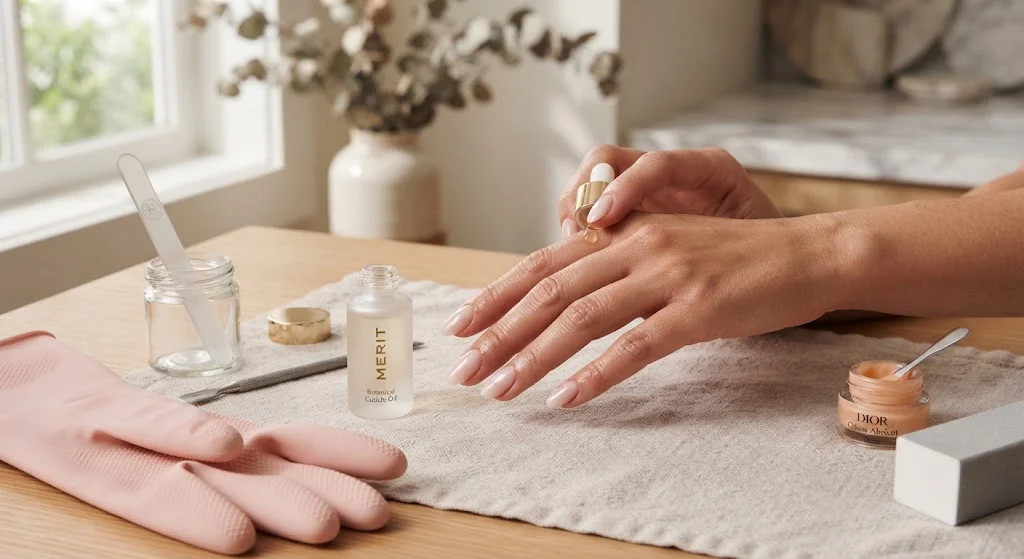
Your best bet is to address the issue at the source.
1. Nail Prep
If the nails are not prepped, the acrylic will not adhere.
2. Product Control
Only apply product to the area around the cuticle.
3. Get Regular Fill-Ins
Depending on your natural nail growth and the condition of your enhancements, you may need to fill every 2-3 weeks.
4. No Picking
Do not pick at the nails.
5. Use Gloves
Wear gloves to protect your nails from water and cleaning-related tasks.
6. Nail Length
Keep nails at a reasonable length for your daily activities.
7. Don’t Use Acrylics as Tools
Use appropriate tools instead of your fingernails.
8. Don’t Ignore Small Problems
If you notice lifting, address it early. It’s better to fix small issues than to wait until the enhancements are irreparably damaged.
Acrylic Lifting vs. Normal Nail Grow-Out
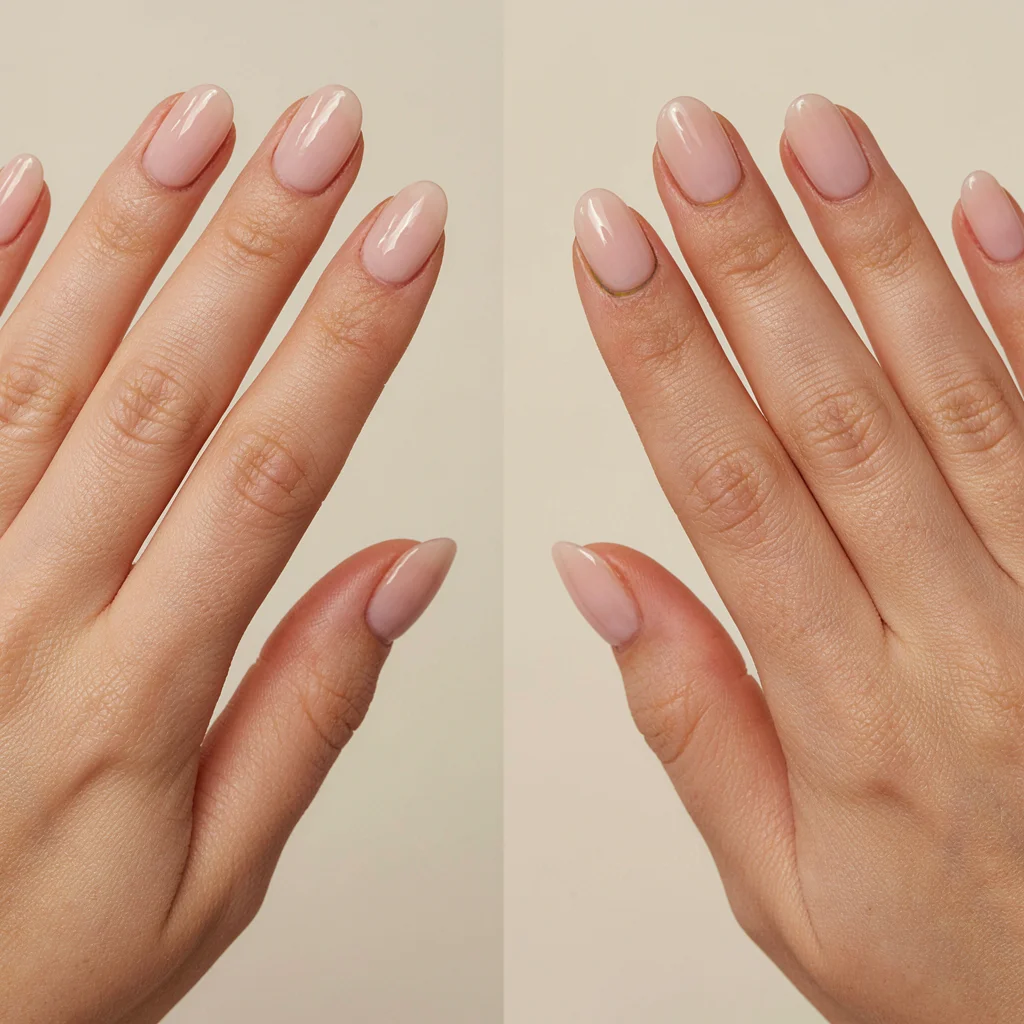
Normal nail grow-out is when the acrylic extends to the end of your natural nails. Lifting occurs when there is a space between your nail and the acrylic.
| Normal Grow-Out | Acrylic Lifting |
| Acrylic extends to the cuticle line. | Acrylic separates from the nail. |
| There is a space between the nail and acrylic. | There is an irregular gap. |
| No product is hanging. | There is product that is hanging and needs to be filled. |
| It is expected | It is not expected and needs to be repaired. |
Example
Acrylic Grow-Out
If after two weeks, there is a space between your acrylic and cuticles, that is nail grow-out.
If the acrylic is separating from the nail and there is a pocket at the end, that is lifting.
The Most Common Mistakes That Cause Acrylic Lifting
The most obvious mistakes that people make when getting acrylic nails. Avoiding these mistakes helps get better acrylics.
| Mistake | Better Approach |
| The acrylic touches your skin. | The acrylic stays away from your skin. |
| There is poor nail prep. | Nails are prepped properly. |
| There is dust and oil left on the nails. | Nails are cleaned and prepped. |
| Lifting is ignored | Lifting is treated properly. |
| Your nails are used as tools. | Use tools to nail |
| Nails are too long | Nails are appropriately long. |
| Maintenance is ignored | Fills are scheduled |
| Acrylic is picked | Acrylic is repaired or removed. |
| Lifted acrylic is covered. | Lifted acrylic is removed. |
| Nails are filed aggressively. | Nails are filed gently. |
Acrylic Lifting: Fill or New Set?
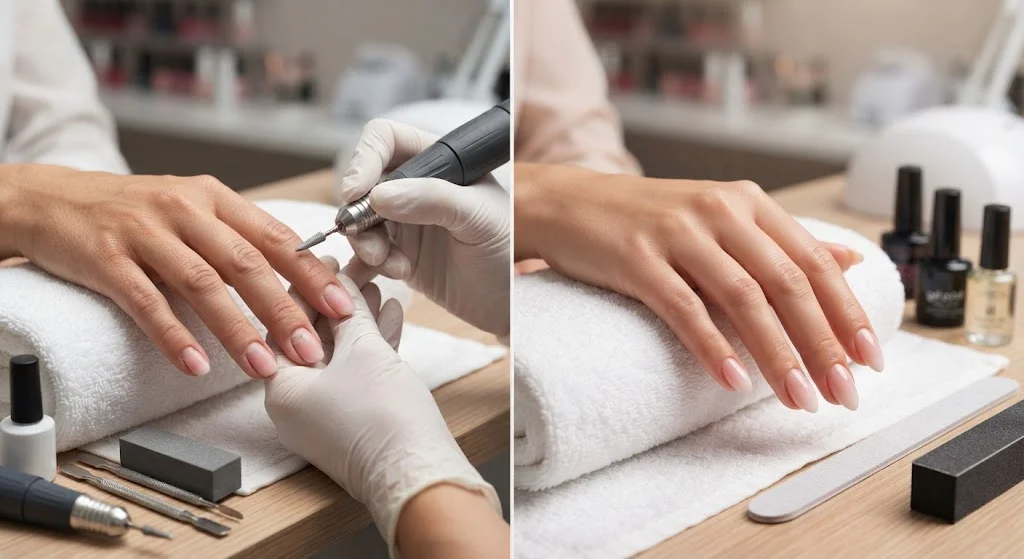
A fill may be appropriate for normal grow-out, while extensive lifting may require removal of the affected nails and possibly a new set.
Use a Fill When:
- The acrylic is securely bonded.
- The natural nail has grown.
- There is minor lifting.
- The enhancement is unsound.
Consider a New Set When:
- There is major lifting on multiple nails.
- The acrylic is majorly compromised.
- The enhancement is structurally inappropriate.
- The enhancement is excessively bulky.
- The natural nails need to be evaluated.
A fill is not a cover-up for problems. The enhancement should be evaluated before adding the product.
Key Takeaways
Acrylic lifting means an enhancement has separated from a natural nail.
Lifted acrylic should never be covered with glue or tape, nor should it be bitten or peeled.
Compromised acrylic nails should be removed, and then new acrylic nails should be applied.
Normal nail growth isn’t the same as lifting.
Regular fills every 2-3 weeks can help manage natural nail growth.
Lifting that’s coupled with nail damage, swelling, pain, or changes to the nails requires more than a fill.
Correct application and nail care, along with sensible nail length, can help prevent lifting.
Final Thoughts
Remedying How to Fix Lifting Acrylic Nails at Home requires understanding the cause and addressing the root problem rather than the symptoms.
The biggest misstep anyone can make is to cover the issue.
Do not peel the acrylics, apply glue to a large area of lifting, or place more layers over already compromised acrylic.
Instead, you should remove the lifted product and assess whether a full removal or a simple fill is needed.
With preparation, sensible nail length, and good maintenance and aftercare, lifting can be minimized.
If dealing with a lift, instead of acrylic grow-out, check out our guide on How to Fill Acrylic Nails to determine your next maintenance step.
Why are my acrylic nails lifting after a few days?
Lifting after a few days may result from insufficient preparation, the product coming into contact with surrounding skin, application issues, stress, moisture exposure, and other factors.
Can I glue a lifting acrylic nail back down?
It is not advisable to glue a lifting enhancement back down. The lifting should be properly addressed and not sealed over.
Can I fix lifting acrylic nails at home?
Maintenance may be done, but safe lifting, removal, and repair require the correct tools and techniques. Professional maintenance is the safer option if you are inexperienced or if the lifting is extensive.
Why do acrylic nails lift around the cuticle?
It is possible the product was touching the skin, there was insufficient preparation, the natural nail was growing, moisture was present, or there was a problem with application.
Can water cause acrylic nails to lift?
No, properly applied acrylic nails do not lift when in contact with water.
Long-term exposure can contribute to maintenance issues, especially when combined with other factors.
Should I remove a lifting acrylic nail?
If an acrylic nail is lifting a lot, covering it up or ignoring it isn’t a good idea; the nail should be removed. If it is lifting a little, then it can most likely be repaired depending on the current state of the nail.
Will a fill fix lifting acrylic nails?
If an acrylic nail is lifting a lot, then covering it up with a fill isn’t a good idea. A fill does help with nail growth, but product that has lifted needs to be removed or repaired.
How long can I leave a lifting acrylic nail?
There is no certain number of days that is a safe rule to follow. Address acrylic nails that are lifted a lot or are damaged and painful without waiting until the nails fall off.
Why does the same acrylic nail keep lifting?
Consistent lifting can be from a variety of reasons. It can be from an error in preparation or application, a nail that is not properly shaped, lifestyle stress, or the condition of the natural nail.
Can I put gel polish over a lifting acrylic nail?
A significant amount of lifting should not be covered with gel polish or any other product. The enhancement needs to be properly addressed first.
Is lifting Acrylic dangerous?
Lifting, especially in large amounts, should not be ignored. It is mainly just a maintenance issue, but if lifting is accompanied by pain, swelling, redness, discoloration, or other changes, then it is necessary to seek medical help.